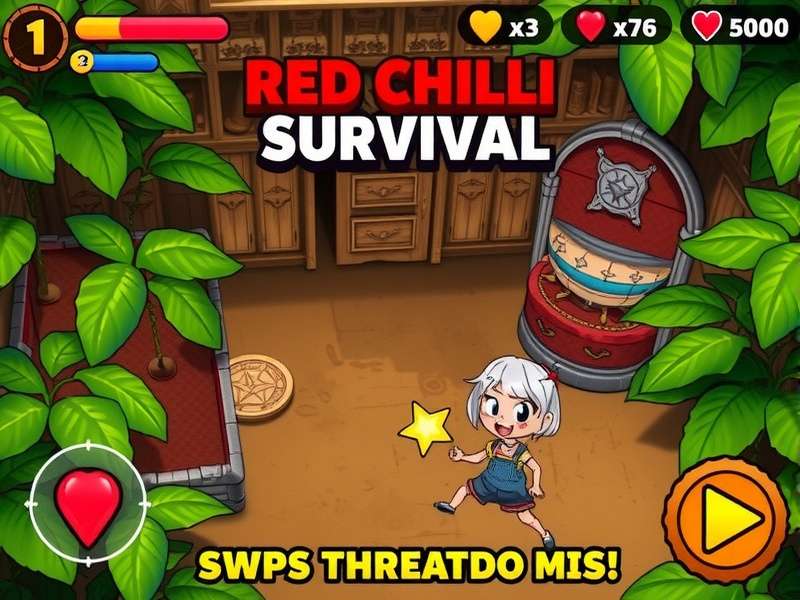
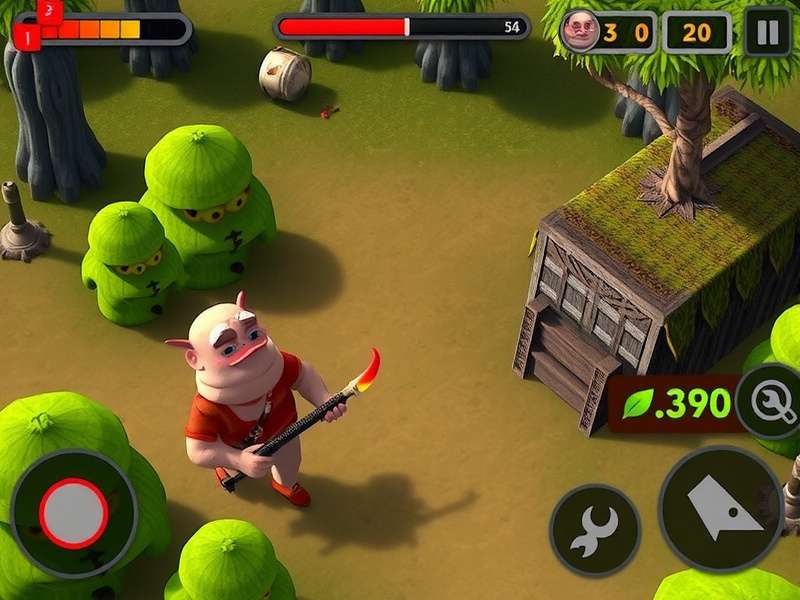
Red Chilli Survival has emerged as India's most popular mobile survival game, blending traditional Indian survival elements with modern gaming mechanics. Developed by Mumbai-based FireStreak Studios, this game challenges players to survive in the harsh Indian wilderness while managing resources, crafting tools, and battling both environmental hazards and hostile creatures.
Since its 2022 launch, Red Chilli Survival has dominated India's mobile gaming charts, particularly appealing to players seeking culturally relevant survival experiences. The game's unique integration of Indian flora, fauna, and mythology sets it apart from global survival titles.
Gameplay Mechanics
Core Survival Elements
Players must manage four critical resources:
Hunger: Forage for Indian fruits like mangoes and jackfruits
Thirst: Find clean water sources or boil contaminated water
Health: Craft traditional remedies using neem and turmeric
Temperature: Survive extreme Indian climates from scorching deserts to monsoon rains
Crafting System
The game features over 200 craftable items, including:
Bamboo weapons (spears, bows)
Clay pottery for food storage
Herbal medicine kits
Improvised fishing tools
Indian Wildlife Encounters
Unique to Red Chilli Survival are its authentic Indian wildlife encounters:
Bengal tigers (requires special evasion tactics)
Indian elephants (can be used for transportation)
King cobras (dangerous but valuable for antivenom)
Monkeys (potential thieves but can be trained)
Indian Download Statistics & Player Demographics
Download Breakdown by State
Maharashtra: 28% (Mumbai leads)
Uttar Pradesh: 19%
Tamil Nadu: 15%
Karnataka: 12%
West Bengal: 9%
Other states: 17%
The game's popularity peaks in metropolitan areas but maintains strong rural penetration due to its offline play capability. Female players constitute 34% of the player base, significantly higher than global survival game averages.
Player Reviews & Community Feedback
Top Positive Reviews
"Finally a survival game that understands India! The monsoon mechanics are so realistic." - Rajesh K. (5★)
"Love the crafting system using local materials. The tiger encounters give me real adrenaline rushes!" - Priya S. (5★)
Common Criticisms
"Needs more regional language support beyond Hindi." - Arun M. (3★)
"The urban survival mode feels underdeveloped compared to wilderness." - Neha P. (4★)
Localization Differences
Regional Variants
Red Chilli Survival offers several localized versions:
North Indian Edition: Focuses on Himalayan survival
South Indian Edition: Emphasizes coastal and jungle survival
Rural Edition: Simplified controls for lower-end devices
Diwali Edition: Special seasonal content
Language Support
Full localization available in:
Hindi
Bengali
Tamil
Telugu
Marathi
English (Indian dialect)
Indian Player Strategies & Pro Tips
Top 5 Survival Hacks from Indian Pros
Neem Tree Exploitation: Craft antiseptics and insect repellents
Monsoon Preparation: Build elevated shelters before rainy season
Cow Dung Fuel: Dry and burn for long-lasting fires
Terracotta Water Filters: Purify contaminated water sources
Train Monkeys: Use bananas to create alert systems
Community-Created Challenges
Indian players have developed popular challenges:
Vegetarian Survival: No meat consumption allowed
Monsoon Marathon: Survive 30 in-game days during rainy season
Traditional Medicine Only: No modern medical supplies
Local Events & Tournaments
Diwali Survival Challenge
Annual event featuring:
Special firework-themed enemies
Diwali-exclusive crafting recipes
Leaderboard competitions for sweet rewards
Holi Color Wars
Seasonal PvP event where:
Colored powders affect visibility
Temporary alliances form
Winners receive cosmetic rewards
Technical Requirements & Optimization
Recommended Specifications
Android: 3GB RAM, Android 8.0+
iOS: iPhone 7 or newer
Storage: 1.2GB available space
The developers have optimized the game for:
Low-bandwidth environments
2G/3G network compatibility
Jio Phone compatibility (select features)
Developer Insights
In an exclusive interview, FireStreak Studios revealed:
"We wanted to create something uniquely Indian. While global survival games focus on zombies or post-apocalyptic scenarios, we chose to highlight India's actual survival challenges - extreme weather, wildlife, and resource scarcity."
The team conducts monthly playtests in rural Maharashtra to ensure cultural authenticity.